

The needs and considerations for both residential and commercial spaces when it comes to flooring differ significantly, which can make selecting a floor a daunting task. Understanding best practices and recommended choices for each environment is vital; in this article we explore these differences and similarities in depth.
Residential Flooring Best Practices
Residential flooring should create comfort, individual style, and an inviting environment.

Comfort and Aesthetics
Residential flooring should provide comfort and aesthetics in their design, providing not only beautiful aesthetics but also cozy comfort to residents of a home setting. When choosing materials for this task it is essential that residents’ lifestyle preferences be taken into consideration when making choices about materials.
Durability
Residential flooring must withstand daily wear and tear, particularly high traffic areas such as living rooms and kitchens. When selecting materials that both aesthetically please and are durable, such as marble, it is wise to opt for these qualities in your selection process.
Recommended Flooring Options for Residential Homes
Carpet
Carpet is deal for bedrooms and living rooms, carpet provides a luxuriously comfortable underfoot experience while providing sound insulation properties, making it suitable for upstairs rooms.
Hardwood
Hardwood such as oak, cherry or maple creates an elegant and timeless aesthetic for living rooms and dining areas.
Tile
For kitchens and bathrooms alike, tile has become increasingly popular due to its durability, ease of cleaning and water resistance properties.
Laminate Flooring
When budget is an issue, laminate offers a cost-effective option that emulates the appearance of hardwood or tile.
Best Practices for Commercial Flooring
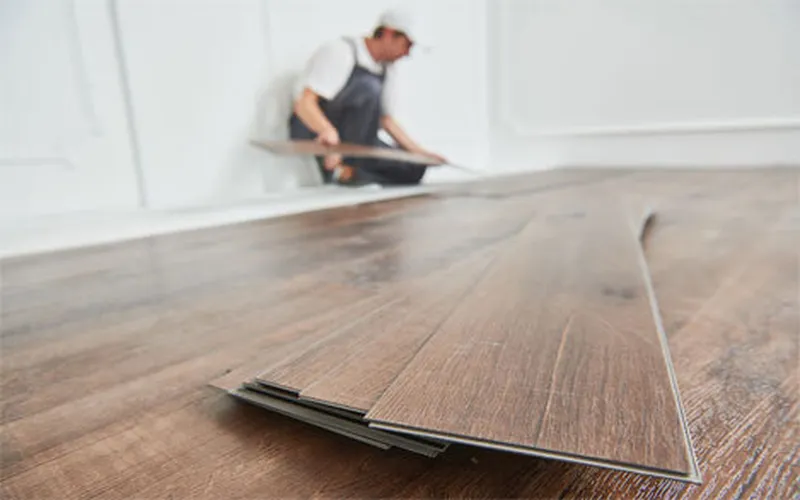
On the contrary, commercial flooring prioritizes functionality, durability and safety depending on its intended use of space. Best practices and recommended choices for commercial settings are as follows:
Safety and Functionality
Safety should always take precedence; thus when selecting flooring materials they must adhere to slip resistance regulations as well as sound absorption capabilities that create an improved work environment.
Design Flexibility
Design flexibility can be essential to the success of any business, especially those that rely on their flooring as part of their branding or unique patterns. Materials which offer this flexibility are highly desired.
Cost Efficiency
When selecting durable products for small businesses or startups, cost efficiency must also be taken into consideration. Balancing quality with budget restrictions should always be top of mind.
Recommended Flooring Options for Commercial Spaces
Vinyl
When selecting commercial vinyl – including luxury vinyl planks (LVP) and luxury vinyl tiles (LVT), look for something with both durability and affordability in mind. Vinyl offers the ideal balance between affordability and long-term use and maintenance needs, making it the ideal solution for high traffic areas that require easy upkeep and cleaning.
Carpet Tiles
Modular carpet tiles have become increasingly popular in office and retail settings due to their ability to easily replace damaged spots without necessitating an entire floor replacement project.
Epoxy Flooring
Epoxy coatings provide an attractive, seamless, durable, and easy-to-clean option in industrial settings like warehouses, garages, and manufacturing facilities. It can even be found used on parking garage floors!
Rubber Flooring
Rubber has long been used in gyms, healthcare facilities and educational institutions as a shock absorbing and durable flooring choice, making it a practical choice for commercial environments.
