

Hardwood flooring’s timeless charm, durability and ease of maintenance make it an attractive option for homeowners. However, proper installation is critical to making sure that your hardwoods look their best and perform optimally. Here’s how it should go down:
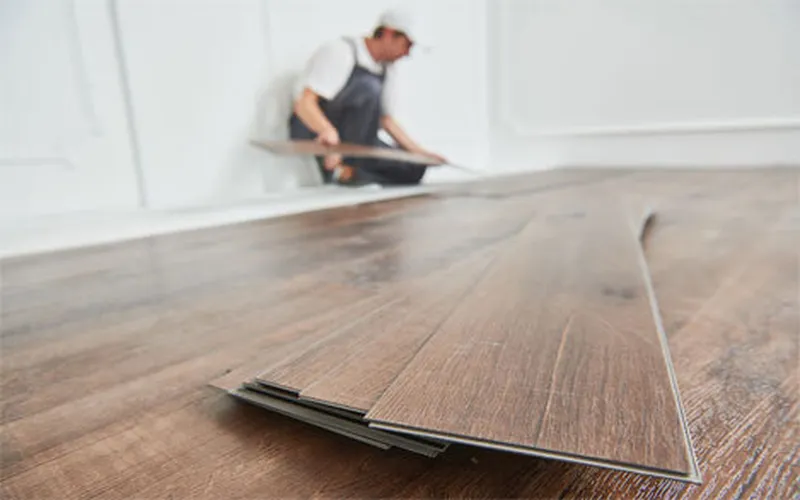
Subfloor Preparation
The initial step in hardwood flooring installation is preparing the subfloor. As your hardwood’s foundation, this must be kept clean, level, and dry – any imperfections can lead to issues with its performance such as squeaking or uneven surfaces – depending on its material, repairs may need to be done or an underlayment added based on existing needs for optimal installation of your flooring.
Acclimation
Before installing hardwood, it’s essential to allow it enough time to acclimate to its surroundings. Wood can be susceptible to changes in temperature and humidity levels, so allowing time for it to adapt helps avoid issues like warping or gaps during installation. Hardwood should usually be stored in the room where it will be installed for at least several days prior to being unpacked – this step ensures its moisture content matches ambient conditions more closely, thus minimizing post-installation problems.
Installation Method
There are three primary installation methods used for hardwood installations: nail-down, glue-down and click-and-lock. Generally used for solid hardwood planks and providing a sturdy yet long-term installation option, nail-down is often preferred over glue or click-and-lock installations.
Nail-Down
This method involves using nails to secure the hardwood planks to the subfloor. It is commonly used for solid hardwood and provides a sturdy and long-lasting installation.
Glue-Down
For this method, adhesive is applied directly to the subfloor before attaching hardwood planks with glue. This technique is best used when nailing is not possible or practical; such as with engineered hardwood.
Click-and-Lock
DIY enthusiasts often opt for this method as the planks feature tongue-and-groove designs that enable them to snap together without nails or adhesives being necessary.
Your method will depend on a range of factors such as your specific circumstances, type and level of expertise needed for installation of hardwood.
Finishing and Sealing
After installing hardwood, it must be finished and sealed to both enhance its aesthetics and protect it against everyday wear and tear. There are two primary types of finishes – oil-based and water-based; depending on factors like drying time, odor level and personal preferences the choice will depend on which you opt for based on manufacturer instructions for an elegant yet resilient finish.
Ongoing Maintenance
After your hardwood flooring installation, ongoing maintenance is the key to its beauty and longevity. This involves regular sweeping/vacuuming to remove dirt and debris, using a damp mop for cleaning purposes, and promptly responding to spills – either through direct action or responding with damp mopping solutions – depending on its level of foot traffic and wear. Depending on its level of foot traffic and wear, periodic refinishing may be required depending on wear levels; and with natural materials like hardwood expanding/contracting according to temperature changes as humidity fluctuates – maintaining a stable indoor environment is key – during winter use a humidifier to add moisture while summer dehumidifiers can reduce humidity levels allowing expansion/contraction issues from occurring with cupping/gaping occurring due to changes in temperature/humidifier/dehumidifier usage for best results!
