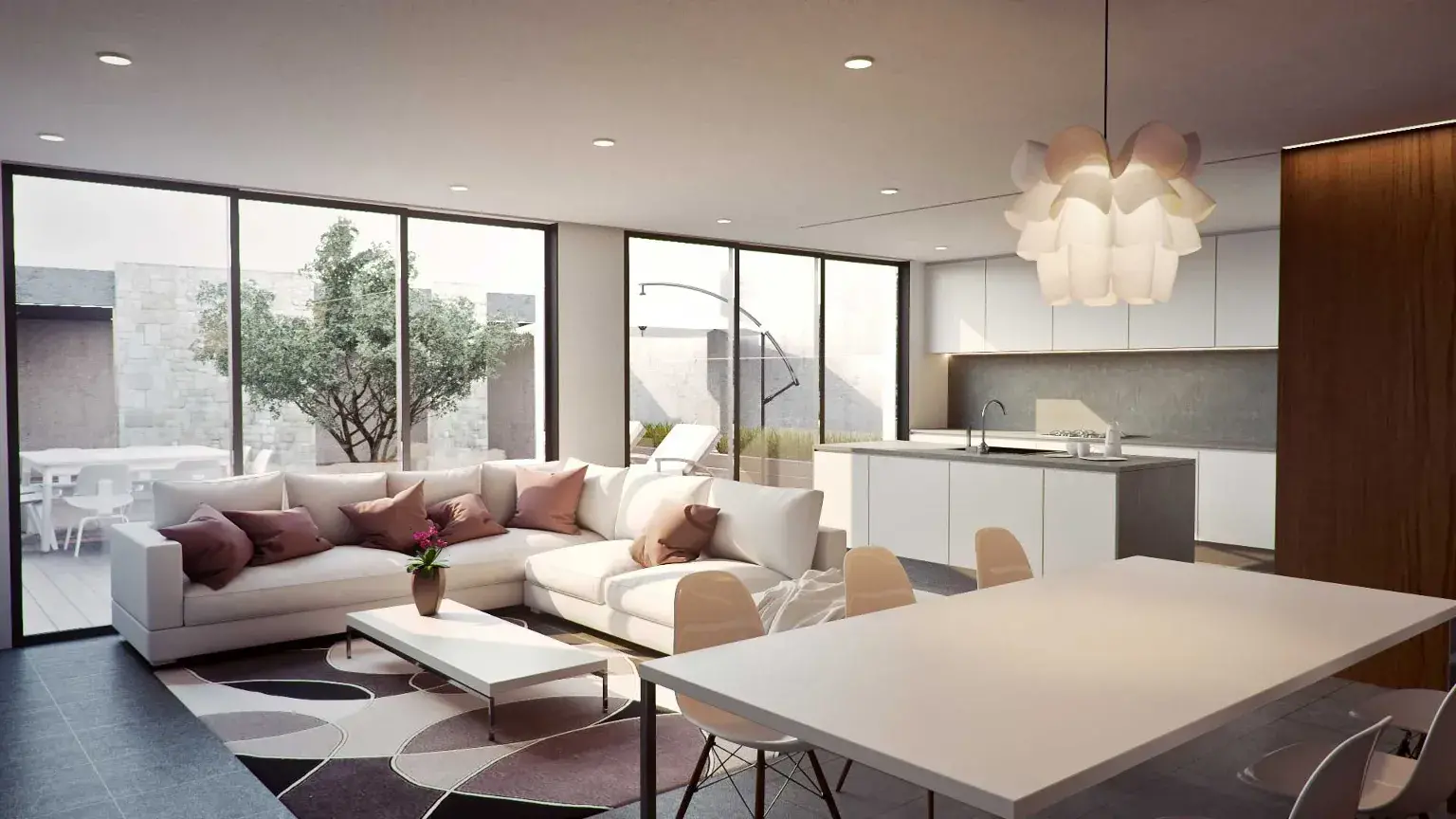

Durability should always be your number one consideration when choosing flooring for your home kitchen, given its constant foot traffic and exposure to spills, drops and impacts from dropped utensils and cookware. In order to select an effective and long-lasting floor covering material suitable for this space, let’s explore various durable materials as potential choices.
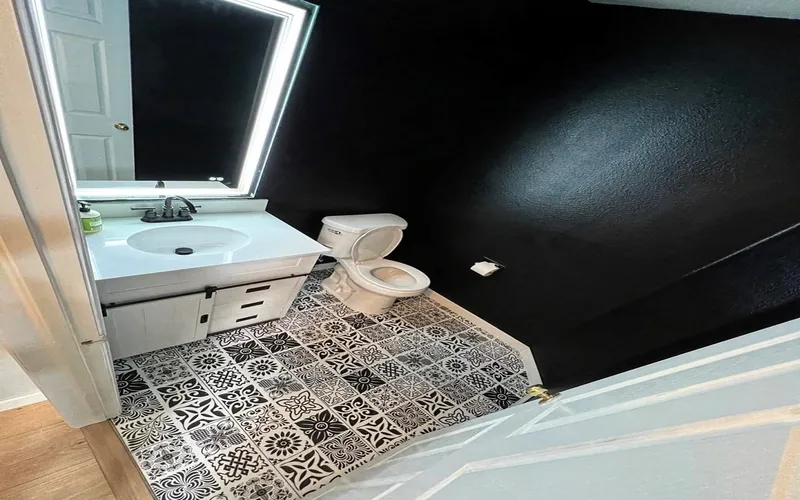
1. Porcelain or Ceramic Tile
Both porcelain and ceramic tiles are known for their exceptional durability, making them popular choices when it comes to kitchen flooring options. Here’s why:
Resistance to Moisture: Tiles naturally resist moisture, making them ideal for use in kitchen environments where spills and splashes are commonplace.
Stain-Proof: Ceramic tile floors offer exceptional stain-proof properties which make them the go-to option when dealing with food and beverage spills.
Easy to Clean: Tiles are simple to keep clean, only needing regular sweeping and mopping to stay looking their best.
Heat Resistant: Ceramic or porcelain tiles can withstand the high temperatures produced by hot pots and pans without warping or discoloring, providing heat resistance without warping or discoloring their appearance.
Longevity: With proper care porcelain or ceramic tiles can last decades before becoming worn-down or discolored.
Tile floors may be tough and resilient, but their cold surface can be uncomfortable underfoot. By placing area rugs or mats strategically around your kitchen you can add comfort and warmth.
2. Luxury Vinyl Plank (LVP)
Luxury vinyl flooring has become increasingly popular due to its exceptional durability and adaptability, making it a strong contender for kitchen flooring applications.
Luxury vinyl plank (LVP) options can be waterproofed entirely, making them suitable for kitchens prone to spills and moisture. Furthermore, its durability has proven its worth over time: scratches and dents have proven no match against this material!
Comfort: LVP provides a more comfortable surface than tiles for standing and cooking for extended periods. Easy Installation: LVP usually comes in click-and-lock or adhesive-backed varieties that make installation a simple DIY task.
Designs Available: LVP offers an expansive variety of designs, such as realistic wood and stone patterns, to help you realize your ideal aesthetic.

3. Hardwood Flooring
Although hardwood may not be your go-to choice when selecting flooring for a kitchen, it can prove highly durable if properly chosen and cared for.
Hardwood floors bring timeless elegance to any kitchen, never going out of fashion or looking worn out with age.
Refinishing: If scratched or worn areas appear on your hardwood flooring over time, these can easily be sanded and refinished back to their original beauty.
High-Quality Hardwood: When selecting hardwood flooring, look for dense varieties such as oak, hickory or maple that are resistant to damage.
Area Rugs: To protect the hardwood floors further and reduce wear-and-tear damage in high traffic or spill prone areas of your home. Keeping an area rug in these locations may provide essential added protection.
Regular Maintenance: Routine cleaning and upkeep can extend the durability of hardwood flooring.

4. Natural Stone
Granite or slate can make for an ideal kitchen floor material, thanks to their durability and unique beauty. Here are three reasons why natural stone might be your go-to material:
Distinctive Appearance: Each piece of natural stone boasts its own distinct appearance that adds visual interest in any given kitchen space.
Heat Resistance: Natural stone flooring can handle extreme temperatures without being damaged, making it suitable for kitchen use.
Longevity: With proper sealing and maintenance, natural stone will last generations before needing replacement.
Easy Cleaning and Maintenance: Stone flooring can be easily maintained.
Natural stone may be more costly and requires professional installation than other options, so be wary when considering it for use in your project.
Final Thoughts
When selecting durable flooring options for a home kitchen, your decision depends on personal taste and needs. Porcelain or ceramic tiles, luxury vinyl plank, hardwood flooring, and natural stone all present unique advantages that should be taken into account when making your decision. Ultimately, effective installation and regular maintenance is key to ensure long-term performance of any durable kitchen floor surface.


Leave a Reply